
In the UK, professional translation services play a vital role in ensuring non-English speakers understand and can consent to their healthcare treatments. These services go beyond simple word-for-word translations, incorporating medical jargon, legal requirements, and cultural context into clear, accurate documents. This is crucial for patient rights, GDPR compliance, and ethical healthcare practices. Reputable specialists with expertise in both language and healthcare are essential to bridge communication gaps, empower patients, build trust, and prevent legal or ethical issues. Translation memory tools and peer review processes further enhance accuracy and efficiency. The ultimate goal is accessible, understandable consent forms for diverse linguistic backgrounds.
“Ready to navigate the complex landscape of translating informed consent forms for UK patients? This comprehensive guide delves into the intricate world of medical translation services, exploring their pivotal role in enhancing patient care and understanding. From deciphering legal jargon to ensuring privacy, we unravel the challenges and best practices for accurately translating these vital documents. Discover how professional translation can revolutionize healthcare consent processes while adhering to stringent legal and data protection standards.”
- Understanding Informed Consent Forms in the UK
- The Role of Translation Services in Healthcare
- Challenges in Translating Medical Documentation
- Ensuring Accuracy and Clarity in Form Translation
- Best Practices for Providing Quality Translations
- Legal Considerations for Translated Consent Forms
- Patient Privacy and Data Protection During Translation
- Case Studies: Successful Translation Implementation
Understanding Informed Consent Forms in the UK

In the UK, informed consent forms are a critical component of healthcare ethics and patient rights. These documents ensure that patients fully understand their treatment options, potential risks, and benefits before agreeing to receive medical care. They are designed to empower patients by providing them with clear and concise information, allowing them to make autonomous decisions about their health. Translation services play a vital role in facilitating this process for non-English speaking patients, ensuring they can comprehend these crucial forms accurately.
When translating informed consent forms, it’s essential to go beyond word-for-word substitutions. The goal is to convey the same level of detail and clarity as the original text while adapting it to the target language and cultural context. Professional translation services for UK informed consent forms should consider medical terminology, legal requirements, and cultural nuances to produce accurate and easily understandable documents. This ensures that patients from diverse linguistic backgrounds can give meaningful consent, protecting both their rights and the ethical integrity of healthcare practices.
The Role of Translation Services in Healthcare

In healthcare, clear communication is paramount, especially when it comes to legal documents like informed consent forms. This is where translation services play a vital role for UK-based medical practices and hospitals. With an increasing number of patients from diverse linguistic backgrounds, ensuring that all paperwork is accurately and culturally adapted is essential to providing quality care.
Translation services for UK informed consent forms are designed to bridge the gap between healthcare providers and patients, guaranteeing that every individual fully comprehends their rights, responsibilities, and treatment options. Professional translators with medical expertise meticulously translate these documents, considering cultural nuances and legal terminology, to foster trust and enable patients to make informed decisions regarding their health.
Challenges in Translating Medical Documentation

Translating medical documentation, especially informed consent forms, presents unique challenges due to the highly technical and sensitive nature of the content. These forms often contain complex medical terminology, legal jargon, and nuanced language that requires precise translation to maintain accuracy and clarity. Professional translation services for UK informed consent forms must have a deep understanding of both medical science and legal procedures to ensure the translated document is easily comprehensible for patients while adhering to regulatory requirements.
Another significant challenge is cultural adaptation. Different countries have distinct cultural contexts, and what seems clear in one language may not translate well into another. For instance, expressions of consent or refusal can vary widely across cultures, necessitating careful consideration to avoid misinterpretation. Translation services must be adept at navigating these cultural nuances to ensure the translated forms resonate with UK patients while preserving the integrity of the original meaning.
Ensuring Accuracy and Clarity in Form Translation
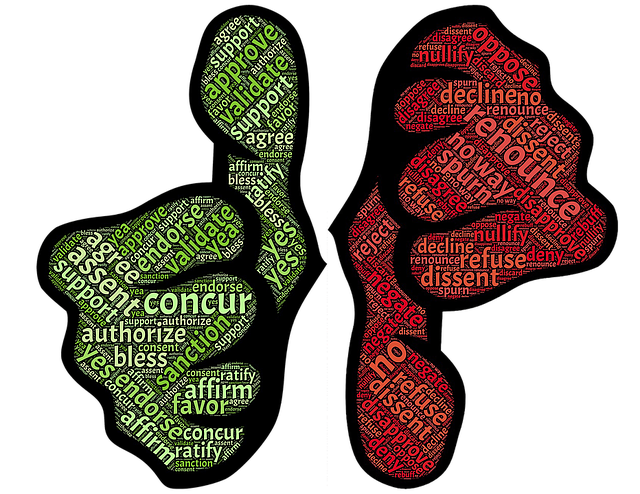
When translating informed consent forms for UK patients, accuracy and clarity are paramount. Medical terminology can be complex and nuanced, so it’s crucial to engage professional translation services with expertise in both language and healthcare. These specialists not only ensure that every term is accurately rendered but also convey the information in a way that’s easily understandable for patients from diverse linguistic backgrounds.
Using high-quality translation services helps bridge the communication gap, guaranteeing that UK patients receive clear explanations of their treatment options, risks, and benefits. This not only promotes informed decision-making but also fosters trust between healthcare providers and their patients, ensuring ethical and responsible medical practice.
Best Practices for Providing Quality Translations

When translating informed consent forms for UK patients, adherence to best practices ensures both accuracy and clarity in communication. It’s crucial to engage professional translation services that possess a deep understanding of medical terminology and cultural nuances specific to the UK healthcare context. The translators should be proficient in both the source language and English, maintaining the original intent and meaning precisely.
High-quality translations demand meticulous attention to detail, including proper formatting and terminology consistency across all documents. It’s essential to use translation memory tools that store previously translated terms, enhancing efficiency and accuracy. Moreover, peer review processes and quality assurance checks are vital to catching any potential errors or inconsistencies, thereby safeguarding patient understanding and comprehension.
Legal Considerations for Translated Consent Forms

When translating informed consent forms for UK patients, legal considerations are paramount to ensure compliance and protect patient rights. The accuracy and cultural sensitivity of translations are critical as they directly impact the legality of the document. In the UK, medical consent forms must adhere to stringent regulations set by the General Data Protection Regulation (GDPR) and the Human Rights Act 1998. These laws underscore the need for clear, comprehensive, and easily understandable documentation that respects patient autonomy.
Translation services for UK informed consent forms should be provided by qualified professionals who are not only fluent in both languages but also have a deep understanding of medical terminology and legal requirements. Any deviation from the original content or context can lead to misunderstandings, potential legal issues, or even ethical breaches. Therefore, it’s essential to engage reputable translation agencies that specialise in healthcare documentation to guarantee the integrity and validity of translated consent forms.
Patient Privacy and Data Protection During Translation

When translating informed consent forms, patient privacy and data protection are paramount. It’s crucial to ensure that translation services for UK Informed Consent Forms adhere to stringent regulations like GDPR. This includes securely handling sensitive medical information shared during the translation process, ensuring that access to data is restricted to authorized personnel only, and implementing robust security protocols to prevent any unauthorized access or data breaches.
Moreover, translation providers must commit to ethical practices, such as maintaining confidentiality and adhering to professional standards for translation accuracy. They should employ translators who are proficient in medical jargon and have experience translating legal documents, guaranteeing that the translated forms remain clear, concise, and legally sound.
Case Studies: Successful Translation Implementation

Translation services play a pivotal role in ensuring that informed consent forms are accessible and understandable for patients from diverse linguistic backgrounds in the UK. Successful implementation involves more than just accurate word-for-word rendering; it requires cultural sensitivity and an understanding of legal nuances specific to healthcare documentation.
Case studies highlight the impact of professional translation when applied to informed consent forms. For instance, a recent study documented the positive outcomes of a translation service that tailored forms for non-English speaking patients in urban hospitals. The process involved not only translating but also culturally adapting content to ensure comprehension. This approach significantly improved patient engagement and reduced potential misunderstandings, ultimately enhancing informed decision-making.
Translating informed consent forms for UK patients requires a meticulous approach, combining medical expertise with linguistic precision. By understanding the legal framework, leveraging professional translation services, and adhering to best practices, healthcare providers can ensure accurate and clear communication with diverse patient populations. This not only facilitates effective consent but also upholds vital legal and ethical standards in healthcare, ensuring patient privacy and data protection. Translation services play a crucial role in navigating the complexities of medical documentation, fostering inclusive care for all UK patients.